
If you live with Polycystic Ovary Syndrome (PCOS), you already know it’s not just about irregular periods or mood swings. It’s the fatigue that sneaks up on you, the stubborn weight that doesn’t respond to diets, and the frustration of feeling like your body isn’t listening. You try to eat better, maybe run a few extra miles, and still the results feel… flat.
Here’s something a lot of women don’t hear often enough: strength training for PCOS can make a huge difference. Not in a quick-fix, magic-solution way, but in a real, steady, life-improving way. Building strength doesn’t just change your muscles — it changes how your body handles insulin, stress, and energy. And honestly, it can also give you back a sense of control that PCOS often takes away.
Why Strength Training Helps With PCOS
You might wonder, “Why strength training? Why not just cardio?” Fair question. Cardio has benefits, but resistance work directly tackles many of the issues tied to PCOS.
- Insulin resistance: Many women with PCOS struggle here. Muscle acts like a sponge for glucose, which means better blood sugar control.
- Hormonal balance: Stress hormones like cortisol drop when you lift weights. That alone can reduce bloating, cravings, and mood swings.
- Metabolism boost: More lean muscle equals more calories burned, even while resting.
- Body confidence: Instead of obsessing over weight loss, you focus on strength, which feels more empowering.
This is why strength training for PCOS often works when other methods don’t. It’s not about chasing skinny — it’s about building resilience from the inside out.
Where to Start: Beginner-Friendly Exercises
A fancy gym setup is not necessary. Actually, you can accomplish a lot with just a few resistance bands or your own body weight. Consistency, not perfection, is the key.
- Squats: Consider squats as the starting point. They imitate the movements you perform daily and strengthen your legs and core.
- Deadlifts: Start light, even with household objects. They build the back, glutes, and hamstrings.
- Push-ups: If standard ones feel tough, drop to your knees first. Still effective.
- Rows: Great for posture, especially if you spend long hours at a desk.
- Planks: Simple but powerful for the core.
Two to three sets of 8–12 reps per move is enough in the beginning. As your body adapts, you can add dumbbells, bands, or just increase reps.

How to Build a Routine That Lasts
The biggest mistake? Going all-in too fast. That usually leads to burnout. Instead, build a plan you can actually stick with:
- Aim for three workouts per week. That’s plenty to start.
- Focus on full-body routines. Compound movements train multiple muscles at once.
- Increase gradually. Add weight or reps when the current level feels too easy.
- Prioritize form. A lighter weight with good technique beats heavy, sloppy reps.
- Rest matters. Muscles grow during recovery, not during training.
Following this, strength training for PCOS feels less like punishment and more like a routine that fuels your day-to-day life.
Lifestyle Habits That Work With Training
Exercise is powerful, but it works best when supported by daily choices. You don’t need to overhaul your entire life, but small tweaks go a long way.
- Sleep: Seven to eight hours isn’t a luxury — it’s a necessity. Poor sleep spikes cortisol and worsens PCOS symptoms.
- Hydration: Water helps regulate appetite and energy. Aim to drink steadily throughout the day.
- Food choices: Balance meals with lean protein, complex carbs, and healthy fats. Avoid overly restrictive diets; they usually backfire.
- Stress management: PCOS is sensitive to stress. Yoga, journaling, or even a short walk can keep cortisol in check.
- Track progress: Keep a simple log. Seeing improvements in strength can motivate you when weight loss stalls.
Common Pitfalls to Avoid
Many women give up on strength training because of mistakes that are easy to avoid:
- Overdoing cardio: Long sessions of running or cycling may leave you drained without fixing insulin resistance.
- Ignoring form: It’s tempting to rush, but bad form causes injury. Slow down and learn the movement.
- Not resting enough: Training every day sounds great, but your body needs downtime to grow stronger.
- Never increasing challenge: If you lift the same weight forever, results plateau. Muscles need fresh stimulus.
Dodging these pitfalls ensures strength training for PCOS stays effective and enjoyable.
Benefits That Go Beyond PCOS
Yes, resistance training helps with PCOS, but the ripple effects are bigger. Over time, you’ll notice:
- More energy throughout the day.
- Stronger bones and reduced osteoporosis risk.
- Improved focus at work or school.
- Reduced risk of diabetes and heart disease.
- A boost in confidence that comes from feeling capable.
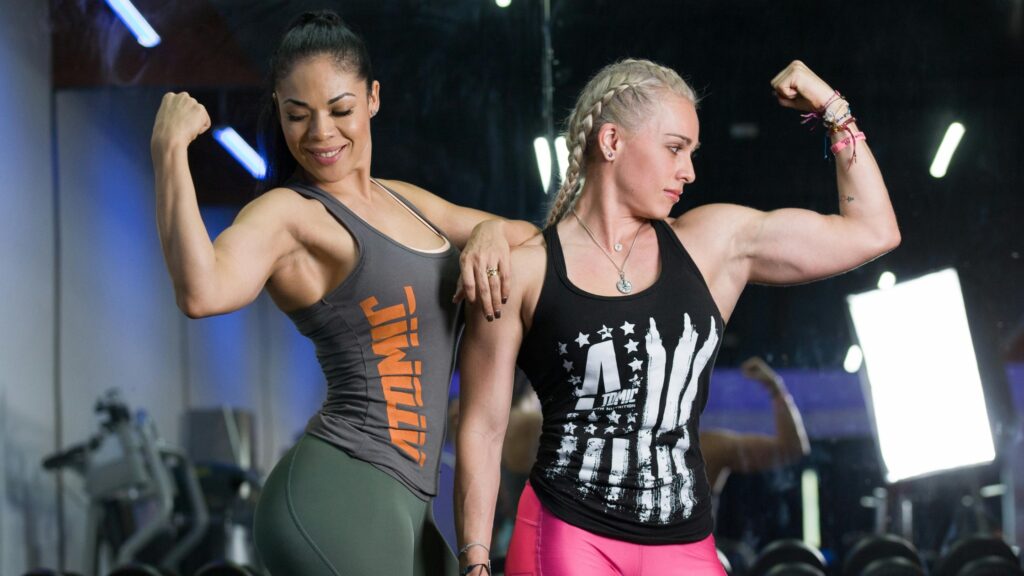
It’s not about becoming a bodybuilder. It’s about creating a stronger, healthier version of yourself that carries into every area of life.
Conclusion
PCOS can be difficult, but it doesn’t have to define you. Gaining strength can lead to improved hormone balance, increased energy, and long-term health benefits. The beauty of it? You only need to be willing to start small and put forth consistent effort; a perfect plan is not necessary. Over weeks and months, the changes add up in ways that feel empowering.
If you want more resources and wellness guides, check out Zero Theories.
FAQs
1. Can women with PCOS lift heavy weights safely?
Absolutely. Just begin with lighter weights and focus on good form. Progress comes naturally over time.
2. Will strength training regulate my periods?
It can help. By lowering insulin resistance and stress, cycles often become more regular.
3. Do I still need cardio?
Yes, but keep it moderate. Short sessions combined with strength training give the best results.
4. How long before I notice results?
Most women feel stronger within 6–8 weeks. Visible changes in body composition may take a bit longer.
Disclaimer
This article is for educational purposes only. It should not replace professional medical advice. Always consult a healthcare provider before starting any new workout or nutrition plan, especially if you have PCOS or other medical conditions.
Leave a Reflection