
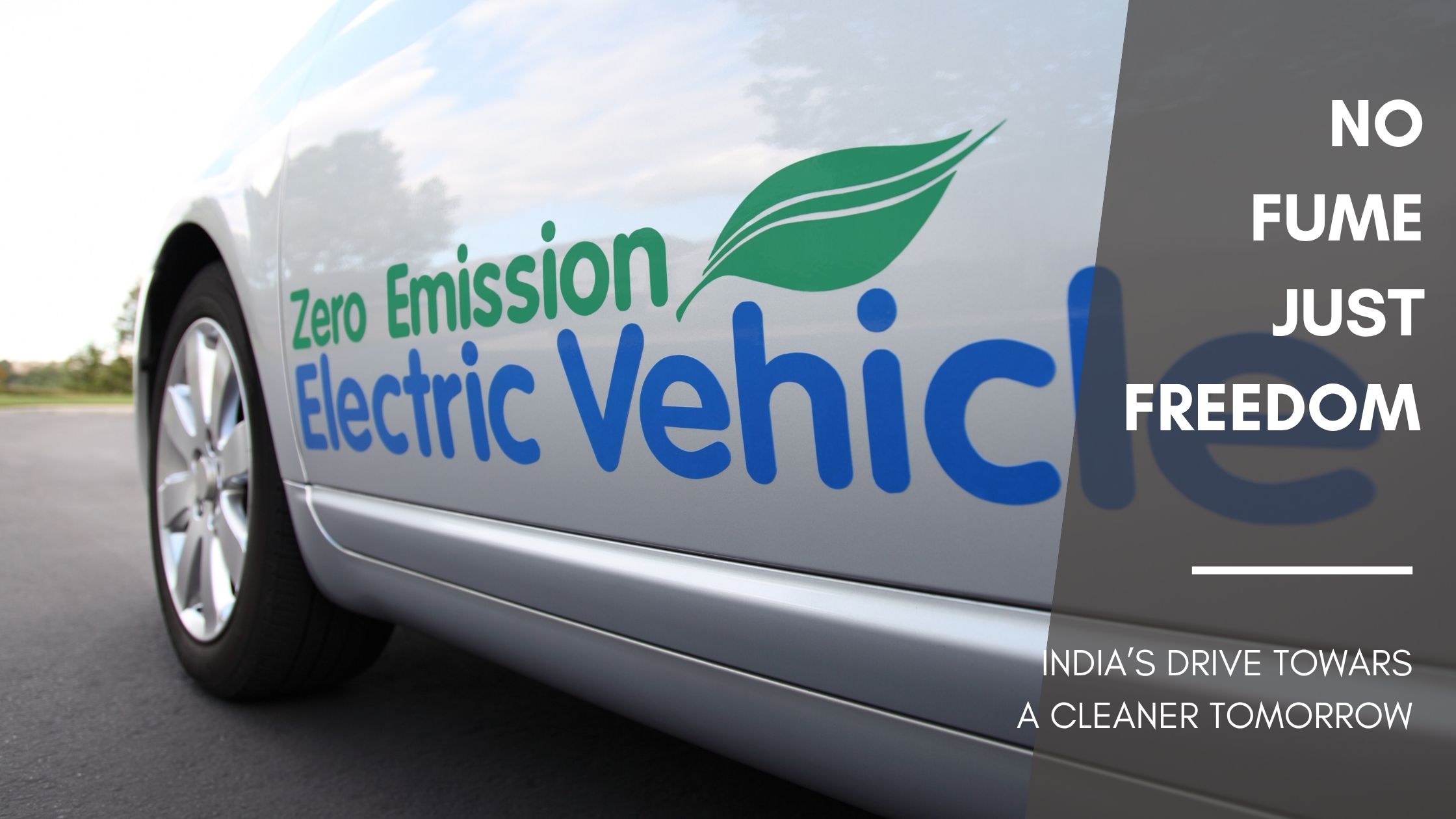
The roar of a petrol engine, the shudder of a diesel bus—that’s the soundtrack to our daily lives in India. It’s a sound we know, a sound of a country on the move. But lately, there’s a new sound making its way through the noise, or rather, a distinct lack of it. It’s the quiet, electric hum of progress. This brings up the massive, billion-dollar question that everyone seems to be asking: is India ready for electric vehicle adoption for real?
Now, this isn’t a question with a simple thumbs-up or thumbs-down answer. It’s a messy, complicated, and fascinating puzzle. You’ve got the government pushing hard for a green future on one side. And on the other, you have the reality of our roads, the depth of our pockets, and the stubbornness of our habits. The end goal of a clean, electric India sounds fantastic, but the road to get there is full of some serious bumps.
The people in power are certainly trying to sweeten the deal. With schemes like FAME II, they’re throwing around discounts and tax cuts to make you think hard before buying another petrol car. And it’s kind of working. You can’t deny the explosion of electric scooters on city streets, and there’s a definite buzz around electric cars. Big auto brands are jumping in, betting that the answer to “is India ready for electric vehicle” is a profitable “yes.” But a government nudge is one thing; getting the whole country on board is another battle entirely.
The Charging Problem You Can’t Ignore
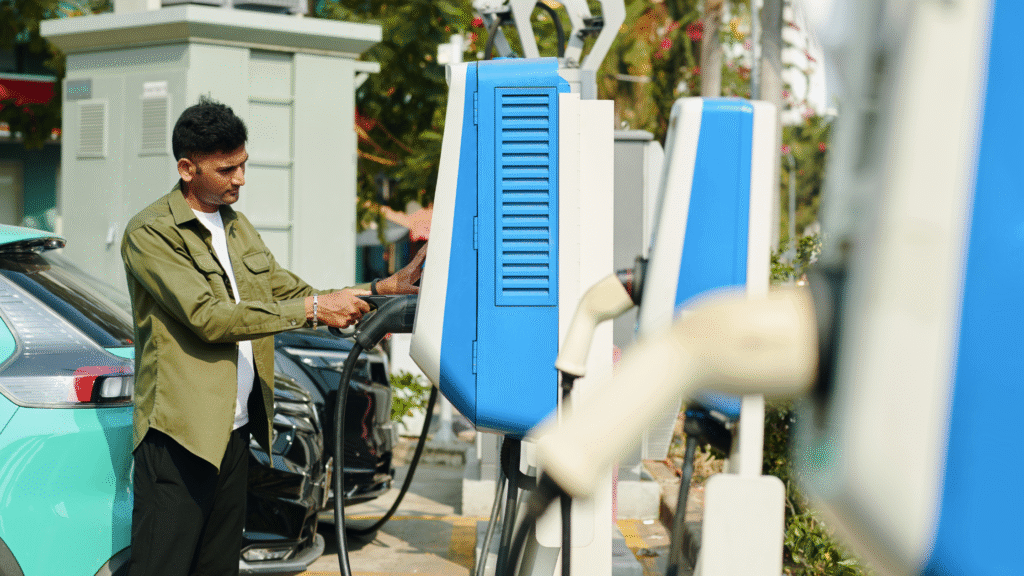
Okay, let’s talk about the biggest headache of them all: charging. Imagine you’ve packed the family into your brand-new EV for a trip from Mumbai to Pune. The ride is blissfully quiet, but then you see the battery meter dipping. That little voice in your head, the one they call “range anxiety,” starts getting louder. Where in the world do you find a charger? Is it going to be working? What if three other cars are already waiting? This is the exact reason why so many folks are still skeptical and asking is India ready for electric vehicle travel beyond their daily commute.
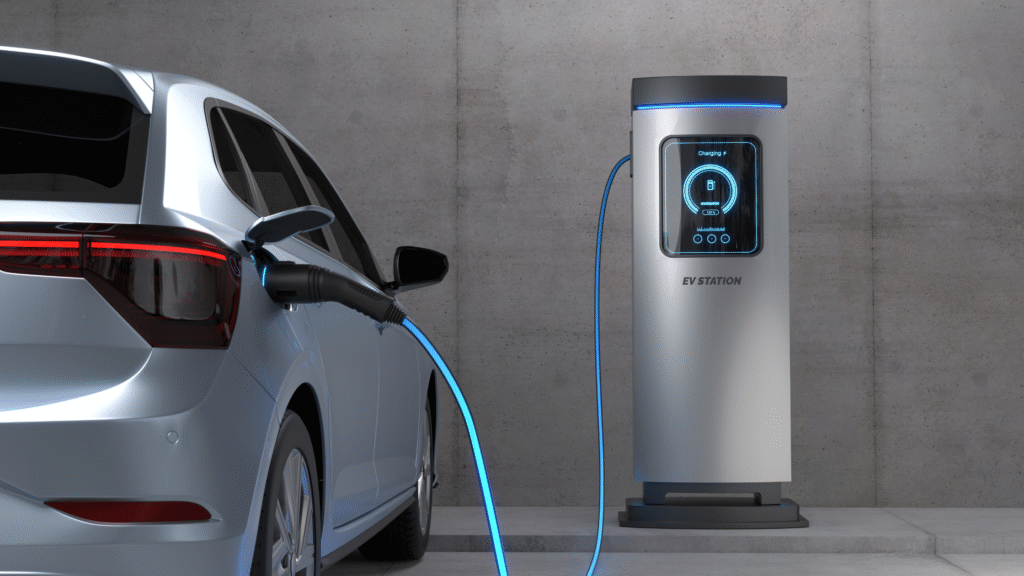
Our public charging setup is, to put it nicely, still a bit spotty. You’ll find chargers in the big metro cities, sure, but venture out onto the highways or into smaller towns, and good luck. For this electric dream to work for everyone, not just city dwellers, we need chargers everywhere—fast, reliable, and as common as a chai stall. That’s why for the average person, the question is India ready for electric vehicle infrastructure is the most important one.
Does It Actually Make Sense for Your Wallet?
For most of us, buying a car is a massive financial decision. And this is where the EV debate gets really personal. The upfront cost of an electric car can cause some serious sticker shock. It’s just flat-out more expensive than its petrol brother, and that initial hit is a huge barrier. It’s the main reason families sit around the dinner table wondering if India is ready for electric vehicle ownership from a pure budget standpoint.
But here’s the clever part: the long-term savings. Think about it. No more watching petrol prices climb with a sense of dread. The cost to charge an EV is tiny compared to filling a tank. Plus, with fewer moving parts, you can say goodbye to expensive oil changes and a lot of routine maintenance. So while the purchase price hurts, the running costs are a dream. The challenge is getting people to see the whole picture. It’s a classic case of short-term pain for long-term gain, and it’s key to convincing people that India is ready for electric vehicle economics.
It’s About More Than Just Cars
The heart of every EV is its battery. And right now, we buy the most critical part of that battery from other countries. That’s not a great position to be in. To truly answer if is India ready for electric vehicle self-sufficiency, we need to be making these batteries right here at home. The push for ‘Make in India’ battery factories is a great start, but we have a long road ahead.
Then there’s the human element. We’re a nation built on quick, five-minute fuel stops. The idea of waiting around for 40 minutes while a car charges? That requires a whole new mindset. But clever workarounds are popping up. Battery swapping for scooters is a genius little hack—you pull in, trade your dead battery for a full one, and you’re gone in minutes. It’s this kind of practical thinking that will help convince people that India is ready for electric vehicle technology. Still, many wonder, is India ready for electric vehicle repairs? If it breaks down, will my local mechanic know what to do?
So, What’s the Final Verdict?
After all that, is India ready for electric vehicle becoming a mainstream reality? The answer is a messy, complicated, but hopeful “almost.” The engine has been started, and the car is rolling. The problems with charging and cost are real, but they’re not impossible walls to climb. We are seeing a powerful mix of government action, corporate money, and genuine public curiosity.
This shift isn’t going to happen overnight. It will be a slow burn, with two-wheelers and commercial vehicles leading the way. But the conversation has changed. The EV revolution is no longer a “what if.” It’s happening now, silently, on our streets. The journey is just beginning, but it’s clear the country is wrestling with what it takes to answer “is India ready for electric vehicle.” And that wrestling itself is a sign that the future is already here.
For more insights and daily updates on transformative technologies, you can visit Zero Theories
Disclaimer: The information provided in this article is for general informational purposes only. All information on the site is provided in good faith, however, we make no representation or warranty of any kind, express or implied, regarding the accuracy, adequacy, validity, reliability, availability, or completeness of any information.
Leave a Reflection