
ation is the very definYou’ve seen the term pop up everywhere. It’s on your favorite fitness influencer’s Instagram, it’s the name of a class at your local gym, and it’s all over health blogs. Functional strength training. It sounds important, maybe a little intimidating, right?
But what if I told you it’s probably the most sensible and practical way you could possibly train your body? Forget just chasing a new personal record on the bench press for a moment. We’re going to cut through the jargon and get to the heart of what is functional strength training, and more importantly, why it might just be the missing piece in your fitness puzzle.
It’s not about building show muscles. It’s about building a body that works, really works, in the real world.
Let’s Break It Down: What Is Functional Strength Training, Really?
At its core, the answer to what is functional strength training is beautifully simple: it’s exercising to make your daily life easier. That’s it. It’s a training philosophy built around mimicking the movements you do every single day without even thinking about it.
Think about your average Tuesday. You bend over to tie your shoes. You hoist a heavy box into your car. You twist to grab a file from a cabinet. You push a stubborn lawnmower. You pull a weed from the garden. Notice a pattern? None of these actions involve isolating a single muscle. Your body works as a team—a system of muscles, joints, and nerves all firing together.
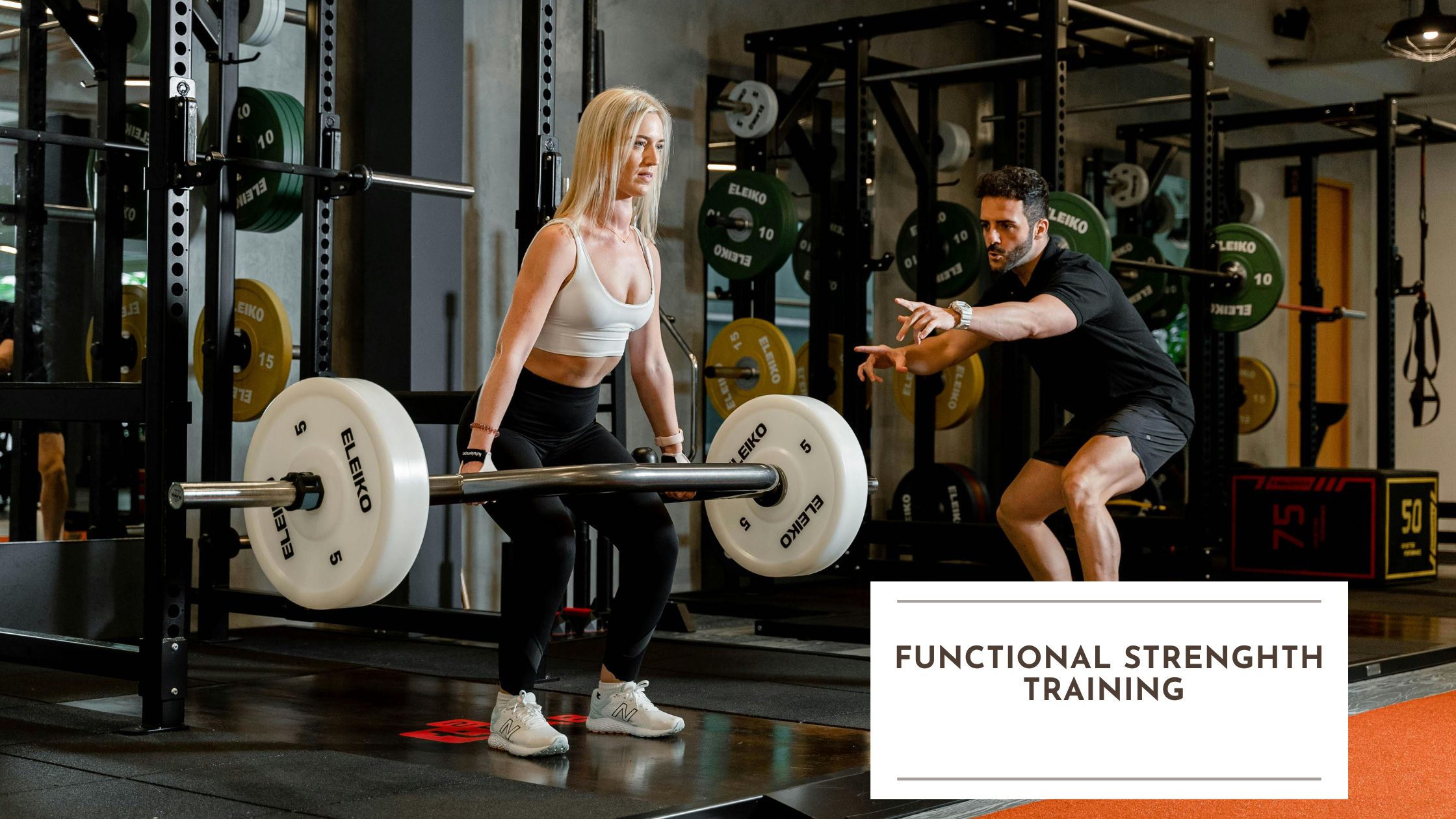
Functional strength training replicates this. Instead of sitting in a machine that locks you into a single, rigid path to work your hamstring, you’d do an exercise like a deadlift. This move trains your hamstrings, glutes, core, and back to work in harmony, just like they do when you lift your toddler or a bag of dog food. This practical, real-world application is the very definition of what is functional strength training.ition of what is functional strength training.
The Payoff: More Than Just Muscle
Okay, so we know the basic idea behind what is functional strength training. But why should you trade in some of your old exercises for it? The benefits go way beyond just getting stronger.
First off, your daily life becomes ridiculously easier. Seriously. Suddenly, carrying all the grocery bags in one trip isn’t a challenge; it’s a victory lap. Playing on the floor with your kids and popping back up feels natural, not like a ten-step process. This isn’t just about strength; it’s about building usable, day-to-day capacity.
Next, you become more coordinated and stable. A lot of functional movements challenge your balance and force your core to fire up to keep you steady. Think of a lunge. You’re working one leg at a time, forcing all those little stabilizer muscles to wake up and do their job. This translates to better balance and a lower risk of falls—something that becomes incredibly important as we age. This focus on stability is a huge part of what is functional strength training.
And yes, you’ll also build a leaner, stronger physique. Because these exercises recruit so many muscles at once, they are incredibly efficient calorie-burners. A set of squats demands way more energy than a set of leg extensions. This metabolic demand helps you build muscle and burn fat more effectively. This holistic approach is key to understanding what is functional strength training.
But here’s the biggest win: you build a more resilient, injury-proof body. By training movement patterns instead of just muscles, you prepare your body for life’s awkward moments. You’re teaching it how to properly absorb force, how to twist without tweaking your back, and how to lift without straining something. This is pre-hab, not just rehab, and it’s a foundational concept of what is functional strength training.
Your Functional Fitness Starter Pack
Ready to give it a shot? The great thing is you don’t need a ton of fancy equipment. Here are a few powerhouse exercises that perfectly explain what is functional strength training in action:
- The Squat: This is the undisputed king. It’s the pattern you use to sit in a chair and get back up. Master the bodyweight squat first, then add weight with a kettlebell (a Goblet Squat is perfect) to train your legs, glutes, and core all at once.
- The Deadlift: Don’t let the name scare you. This is simply the art of picking heavy things up off the floor safely. It’s the ultimate real-world lift, training your entire backside to protect your spine. This is a perfect example of what is functional strength training.
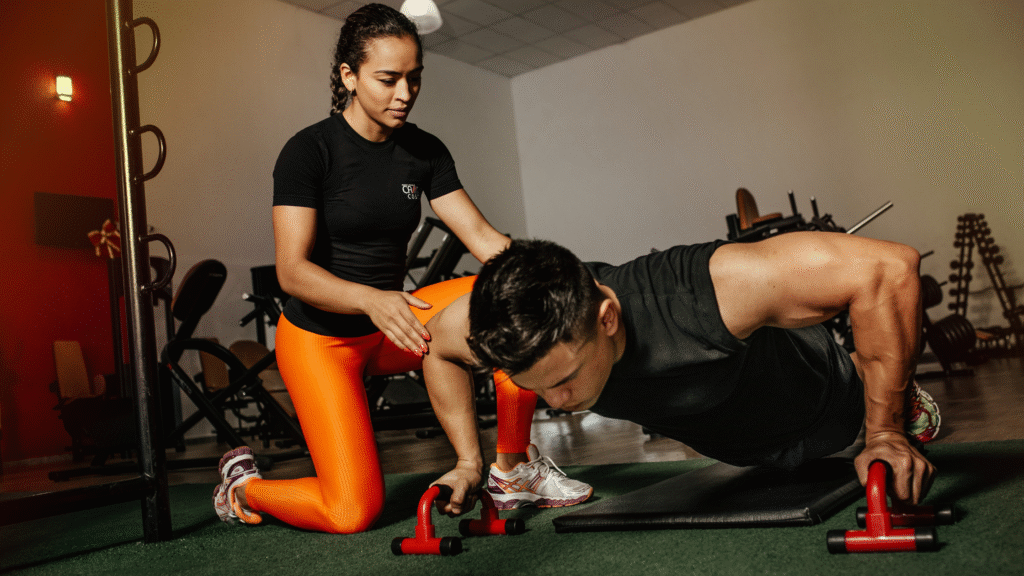
- The Push-Up: Your go-to for developing pushing strength. It hits your chest, shoulders, and triceps, but its real secret is the incredible core strength it builds. Can’t do one? Start on your knees. No shame in that game.
- The Row: The perfect counterbalance to all the pushing we do. Rowing—with dumbbells, bands, or a cable machine—mimics pulling things toward you. It’s an absolute game-changer for posture and upper back health. When people ask me what functional strength training is, I often point to the row.
- The Farmer’s Walk: Could it get any simpler? Pick up heavy things and walk. This move builds a vice-like grip, a rock-solid core, and incredible shoulder stability. It’s literally training for carrying groceries or a suitcase. It’s the essence of what is functional strength training.
- The Lunge: This move builds strength and stability one leg at a time. It’s crucial for any activity that involves running, climbing stairs, or simply walking with confidence.

Putting It All Together
You don’t have to completely overhaul your current routine. Start by swapping in a few of these movements. Dedicate two days a week to a full-body functional workout.
Here’s a simple blueprint:
- Goblet Squats: 3 sets of 10
- Push-Ups: 3 sets of as many as you can do with good form
- Dumbbell Rows: 3 sets of 10 per arm
- Walking Lunges: 3 sets of 20 (10 per leg)
- Farmer’s Walks: 3 sets, walking for 45 seconds
Focus obsessively on your form. It’s always better to lift lighter with perfect technique. Leave your ego at the door. The goal here is capability, not just capacity. This mindset is a crucial part of what is functional strength training.
The Bottom Line
When you strip it all away, the answer to what is functional strength training is this: it’s training for life. It’s about building a body that can serve you well, whether you’re moving furniture, playing a sport, or just keeping up with your grandkids. It’s about moving better, feeling stronger, and living with fewer limitations. It’s not a fad; it’s a fundamental shift toward building strength with purpose.
For more practical fitness knowledge, you can always check out Zero Theories.
Disclaimer: Always consult with a healthcare professional or certified personal trainer before starting any new exercise regimen. This article is intended for informational purposes only and should not be taken as medical advice.
Leave a Reflection