

We all know that frantic morning feeling. The alarm screams, you check your email with one eye open, and your brain races before your feet even hit the floor. It is exhausting. Honestly, this constant pressure explains exactly why slow living aesthetics have stopped being just a social media trend and have become a vital survival mechanism for our sanity.
This isn’t about striving for a perfect, museum-quality house where you cannot touch anything. It is about creating a space that holds you. When you walk through your front door, your shoulders should physically drop. You should feel a shift from “go-mode” to “rest-mode.” By embracing slow living aesthetics, you intentionally design your environment to tell your nervous system that you are safe, you are home, and you can finally stop rushing.
Why We Crave Simplicity
You might think this style just means painting everything white and owning one chair. However, that misses the point entirely. The true heart of slow living aesthetics beats in the intentional choices we make about our surroundings. We live in a loud, visual world. Every label, every bright color, and every pile of clutter demands a fraction of your attention.
When you strip that away, you find silence. Visual silence.
You choose quality over quantity. You pick items that tell a story rather than items that just fill a void. It is a rebellion against the “buy more, faster” culture we grew up in. Instead of chasing the next shiny thing, you pause. You ask if an item adds value. This mindset shift defines slow living aesthetics, and it changes everything about how your home feels.
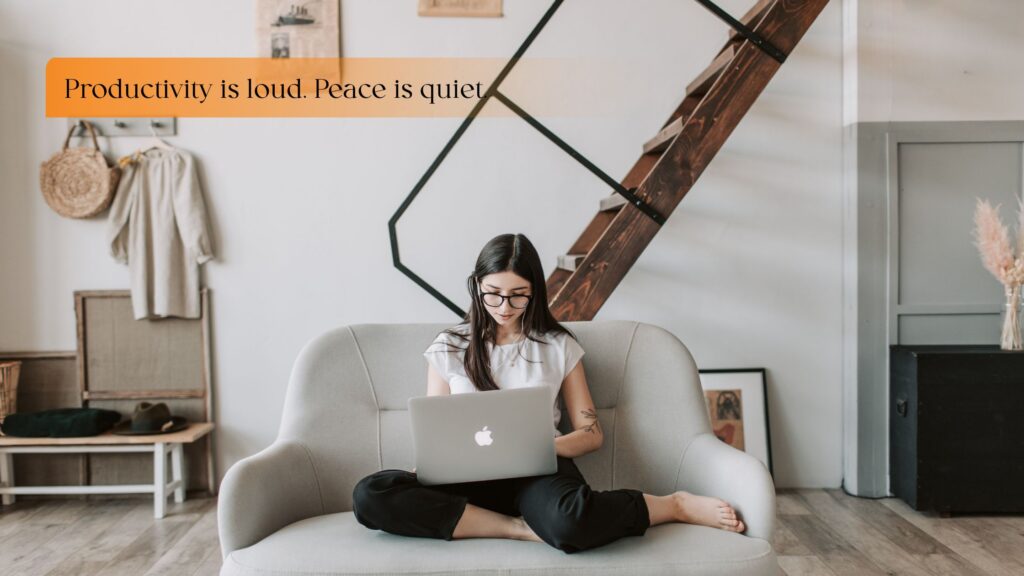
The Ingredients of a Slow Home
So, how do you actually build this? You certainly don’t need an interior designer. You just need to tune into what feels grounded. The look relies on specific elements that work together to soften the edges of daily life.
To get that authentic slow living aesthetics vibe, focus on these tactile elements:
- Earthy, Muted Palettes: Forget jarring neon or stark contrasts. Look to the colors of a dried riverbed, a foggy morning, or raw wool. Think warm oats, soft sages, terra cotta, and charcoal. These shades absorb light gently and wrap the room in a hug.
- Raw and Honest Textures: Since we avoid loud colors, we need texture to keep things interesting. Run your hand over a table; it should feel like wood, not plastic. Layer a chunky knit throw over a washed linen sofa. The contrast between rough and smooth creates the depth that slow living aesthetics rely on.
- The Play of Natural Light: Artificial overhead lighting destroys relaxation. Turn off the “big light.” Open your curtains wide during the day to let the sun track across the floor. In the evening, rely on lamps and candles to create pools of warm glow.
- Organic Shapes: Nature rarely builds in straight lines. Swap a sharp, square coffee table for a round one. Choose ceramics that look hand-thrown. These curves soften the room’s energy.
Embracing the Imperfect
There is a Japanese concept called wabi-sabi that fits perfectly here. It celebrates the beauty in things that are imperfect, impermanent, and incomplete. A cracked vase repaired with gold, a wooden floor scratched by years of footsteps, or a linen sheet that is permanently rumpled—these aren’t flaws. They are signs of life.
Slow living aesthetics demand that you let go of perfection. A sterile home feels like a dentist’s waiting room. A home full of worn, loved items feels like a sanctuary. When you stop worrying about a coaster on the table because the table is meant to be used, you actually start living in your space. You stop curating a showroom and start building a life.
The Art of Decluttering
You cannot have a slow home if you are drowning in stuff. It simply doesn’t work. Clutter creates visual noise, and noise creates stress. However, decluttering doesn’t have to mean throwing out everything you own in a weekend.
Here is a practical approach to clearing space for slow living aesthetics:
- The “Spark Joy” Reality Check: Pick up an item. Do you love it? Do you use it? If you hesitate, it is probably clutter. Be honest with yourself.
- One Surface at a Time: Don’t tear apart the whole house. Just clear the coffee table today. Tomorrow, tackle the bedside drawer. Slow progress is still progress.
- Visual Breathing Room: Leave empty spaces on your shelves. You don’t need to fill every inch with decor. The empty space allows the eye to rest, which is a key component of slow living aesthetics.
- Hide the Tech: Nothing ruins a calm vibe faster than a tangle of black wires. Use baskets to hide routers and cables.

Bringing the Outdoors In
We are biological creatures. We need nature. Yet, we spend most of our time in boxes. Bringing nature inside bridges that gap and grounds us. But keep it simple.
Just add a few intentional touches. Place a large structural branch in a heavy vase. Put a trailing plant on a high shelf where it catches the light. Use materials like jute, rattan, and stone. These elements remind us of the slower rhythms of the natural world, reinforcing the slow living aesthetics you are trying to cultivate.
The Bedroom: Your Ultimate Sanctuary
If you only change one room, make it the bedroom. This is where you recharge. If this room feels chaotic, your sleep suffers.
To bring slow living aesthetics into your sleeping space, act ruthlessly about boundaries. Remove the TV. Charge your phone in the kitchen. Invest in bedding that feels incredible against your skin—washed cotton or pure linen work best because they regulate temperature and add that crucial textural element.
Keep the colors here especially quiet. When you wake up, the first thing you see should be calming. A soft piece of art or a simple wooden dresser. This visual quiet sets the tone for the entire day.
Living the Lifestyle
Here is the thing: you can buy all the beige pillows in the world, but if you still rush around like a headless chicken, you missed the point. Slow living aesthetics serve as a container for a slower mindset. The design supports the habit.
The chair in the corner invites you to read. The clear kitchen counter invites you to cook a meal from scratch. The lack of clutter invites you to sit and just be.
Consider these shifts to match your new space:
- Morning Rituals: Drink your coffee while looking out the window.
- Analog Evenings: Swap Netflix for a book.
- Mindful Chores: View folding laundry not as a burden, but as a moment of care.
Conclusion
Creating a home that embraces slow living aesthetics is a journey, not a weekend project. You will constantly tweak, edit, and refine. And that is okay. In fact, that is the point. Your home should grow with you.
By stripping away the excess and focusing on warmth, you build a fortress against the busyness of the world. You create a place where you can breathe deep and live authentically.
For more inspiration on building a mindful life and home, check out Zero Theories and start your journey toward a more intentional day.
Disclaimer: This article provides suggestions for interior design and lifestyle changes based on personal opinion. Readers should adapt these ideas to their own living situations and budgets. We accept no liability for design choices made based on this content.
Leave a Reflection