
How to Make Black Coffee: The Only Guide You’ll Ever Need
There’s something oddly comforting about waking up to the aroma of coffee. For some, it’s a cappuccino, for others, a sweet latte. But then some swear by the purest form of it—black coffee. If you’ve been wondering how to make black coffee without turning it into a bitter disaster, you’re in the right place. Let’s walk through the art, the science, and yes, the small quirks that make it so special.
Why Black Coffee Has Such a Reputation
People often say black coffee is “an acquired taste.” And honestly, they’re not wrong. Without milk or sugar to soften the flavor, you get coffee in its rawest, boldest form. Some love its sharp kick; others take one sip and push the cup away. But here’s the thing—when you learn how to make black coffee the right way, you’ll realize it can be smooth, rich, and surprisingly enjoyable.
Step 1: Pick the Right Beans
Let’s get this out of the way: cheap coffee beans will taste, well, cheap. If you’re serious about learning how to make black coffee at home, invest in good-quality beans. Arabica beans are smoother, often slightly fruity. Robusta, on the other hand, is stronger and more bitter. Don’t worry—you don’t need to become a coffee snob overnight. Just know that fresher beans = better taste.
Step 2: Grinding Matters More Than You Think
If you’ve ever sipped coffee that felt too watery or, on the flip side, way too harsh, chances are the grind size was off. For black coffee, a medium grind works best for most methods. If you’re using a French press, go coarser. If you’re trying drip or pour-over, stick to medium-fine. Here’s a little secret: grinding right before brewing makes a noticeable difference.
Step 3: Water Quality Can Make or Break It
Sounds boring, right? Water is water. Except it isn’t. Since coffee is basically 98% water, bad tap water will ruin your cup. Filtered water or even bottled water works best. And don’t boil the water to death. Keep it around 90–96°C (hot but not volcanic).
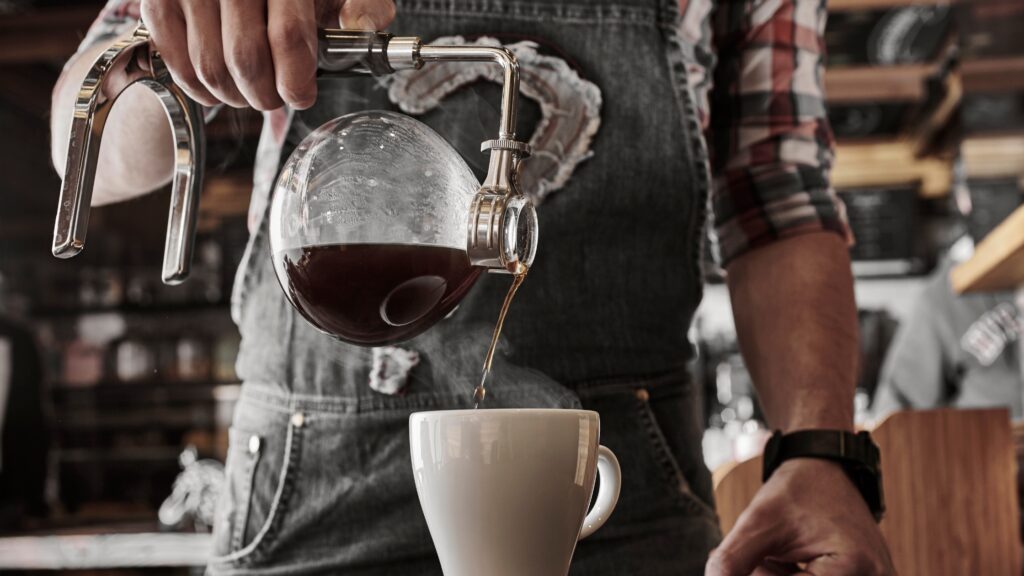
Step 4: Brewing Options—Find Your Style
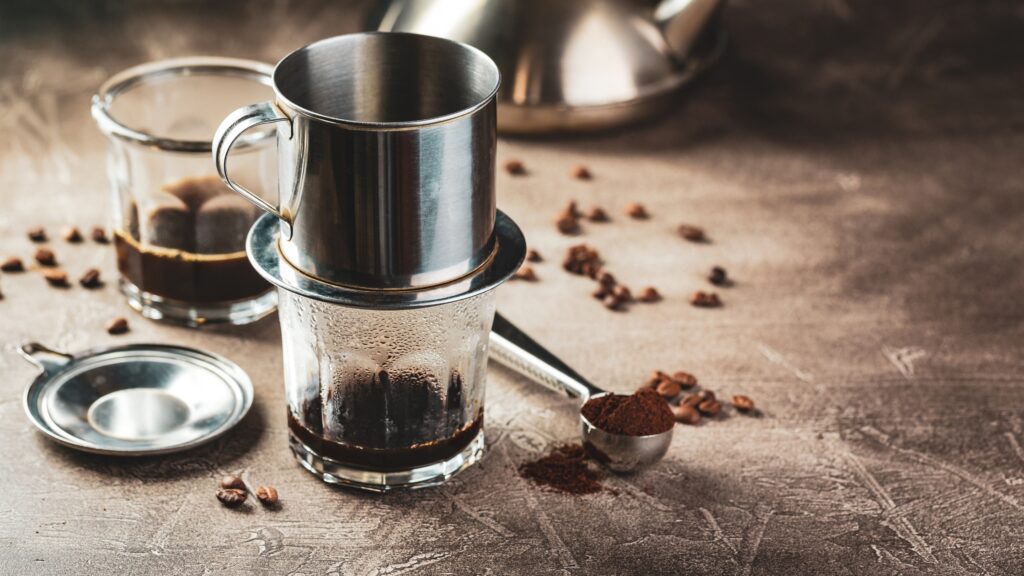
This is where things get fun. Black coffee doesn’t mean one method; it’s about choosing how you want to bring out those flavors.
- French Press: Bold, slightly heavier coffee with oils intact.
- Pour Over (like V60): Cleaner, smoother taste with more control.
- Drip Coffee Maker: Easy, consistent, no fuss.
- Cold Brew: Takes time but gives you smooth, low-acid coffee perfect for summer.
Experiment! Honestly, the best way to learn how to make black coffee is to try different brewing styles until one clicks with you.
Step 5: The Ratio Game
Too weak? Too bitter? It all comes down to the coffee-to-water ratio. A safe start is 2 tablespoons of coffee for every 6 ounces of water. Adjust as you like—it’s not a math exam. Some mornings you’ll want it strong, some days mellow. Trust your taste buds.
How to Make Black Coffee Without Hating It
Okay, here’s where most people give up. Black coffee doesn’t have to taste like burnt liquid sadness. Try these little tweaks:
- Add a pinch of cinnamon or cocoa powder to the grounds.
- Experiment with lighter roast beans (they’re less bitter).
- Sip it slowly. Don’t chug. Let your taste buds adjust.
I still remember my first attempt—it was harsh. Then I switched beans, adjusted the grind, and suddenly, I got it. That’s when black coffee stopped being “just bitter” and started being… well, kind of addictive.
Health Benefits You Probably Didn’t Know
Beyond the taste, people also drink black coffee for its health perks. It boosts energy, supports metabolism, and contains antioxidants. Some studies even suggest it helps with focus and reduces the risk of certain diseases. But hey, moderation is key. Too much caffeine, and you’ll be jittering around like a squirrel on sugar.
Common Mistakes to Avoid
- Using stale beans.
- Letting coffee sit on a burner too long.
- Over-extracting (brewing too long).
- Drowning it in boiling water.
If you avoid these, you’re already ahead of most beginners.
FAQs About Black Coffee
1. Is black coffee healthier than milk coffee?
Yes, black coffee is lower in calories and sugar, making it a healthier choice if you drink it plain.
2. Can I drink black coffee on an empty stomach?
You can, but it may cause acidity for some people. If that happens, drink it after a light snack.
3. How many cups of black coffee are safe per day?
Most experts recommend 2–3 cups per day. Going overboard can lead to restlessness and sleep problems.
4. Which method is best for beginners?
A simple pour-over or drip coffee maker works best. Both are easy, consistent, and great for learning how to make black coffee.
Wrapping It Up
Learning how to make black coffee isn’t about perfection—it’s about finding your taste. Start with good beans, pay attention to grind size, and experiment with brewing methods. Before long, you’ll wonder why you ever needed milk or sugar in the first place.
If you want more everyday lifestyle tips and practical guides like this, check out Zero Theories.
Disclaimer
This article is for informational purposes only. Coffee consumption affects individuals differently. If you have health concerns, consult a healthcare professional before making dietary changes.