Forget Empty Calories: How to Master Nutrient Dense Snacks
It’s 3:00 PM. Your focus is gone, your energy has plummeted, and that vending machine—or the bag of chips in your pantry—is starting to look like your best friend. We’ve all been there. You need energy, so you grab the quickest thing available. The problem? That quick fix often leads to another, more significant crash just an hour later.
This is where a smarter strategy comes into play. This is where nutrient dense snacks completely change the game.
These aren’t just “filler” foods to quiet a rumbling stomach. They are strategic tools. They bridge the gap between meals, not with empty sugar and refined flour, but with high-quality fuel. Learning to choose the right snacks is arguably one of the most powerful (and easiest) changes you can make to your daily health. Consequently, you’re not just eating; you’re refueling, refocusing, and supporting your body’s every function.
So, Why All the Fuss About Nutrient Dense Snacks?
Let’s be honest, “nutrient dense” sounds like a boring health-blog buzzword. But what does it actually mean for your body?
It’s simple. Nutrient density is the amount of beneficial nutrients in a food in proportion to its energy content (calories). A doughnut and a handful of almonds might have similar calories, but the doughnut offers you sugar and refined flour, while the almonds provide healthy fats, protein, fiber, and magnesium.
Choosing nutrient dense snacks isn’t just about feeling “full”—it’s about what that fullness does for you.
- Sustained Energy: Empty calories, like those in a candy bar, give you a quick spike in blood sugar. This fast rush feels good for a few minutes, but it’s always followed by a crash. This leaves you tired, irritable, and often craving more sugar. Conversely, nutrient dense snacks that combine protein, fiber, and healthy fats digest slowly. They provide a steady, reliable release of energy that keeps you going for hours.
- Brain Power and Mood: Your brain is hungry, too. It consumes about 20% of your body’s energy. Healthy fats, like the omega-3s found in walnuts and chia seeds, are literal brain food. They help with focus, memory, and clarity. Without this fuel, you get “brain fog.” Many of these snacks also support the production of “feel-good” neurotransmitters, which helps stabilize your mood.
- Better Meal-Time Decisions: When you let yourself get absolutely ravenous, you lose all control by the time dinner arrives. You’re more likely to overeat and choose comfort foods over balanced options. A smart, nutrient dense snack around 3 or 4 PM curbs that extreme hunger. As a result, you can approach your evening meal calmly and make a more mindful choice.

The “Big Three” of a Perfect Snack
What actually makes a snack nutrient-dense? It’s not a mystery, and it doesn’t require a nutrition degree. You’re basically looking for a team effort from what I call the “Big Three.” The best nutrient dense snacks almost always feature at least two from this list:
- Protein: This is your satisfaction and repair crew. Protein is the most satiating macronutrient, meaning it makes you feel full and content. It’s essential for muscle repair and keeps your metabolism humming.
- Find it in: Greek yogurt, cottage cheese, hard-boiled eggs, nuts, seeds, edamame, and quality protein bars.
- Fiber: This is your digestion and fullness regulator. Fiber, found in plants, slows down digestion (which is a good thing!), helps stabilize blood sugar, and keeps your gut health in check.
- Find it in: Fruits (especially with skin), vegetables, whole grains, nuts, and seeds.
- Healthy Fats: This is your long-term energy source and brain fuel. For decades, fat was the enemy, but we now know that healthy monounsaturated and polyunsaturated fats are critical for health. They provide long-lasting energy and help your body absorb certain vitamins.
- Find it in: Avocado, nuts (walnuts, almonds), seeds (chia, flax, pumpkin), and olive oil.
Our Top Picks: Grab-and-Go Nutrient Dense Snacks
You’re busy. I get it. The best snack is often the one you can eat with one hand. The good news is that nutrient dense snacks don’t have to be complicated.
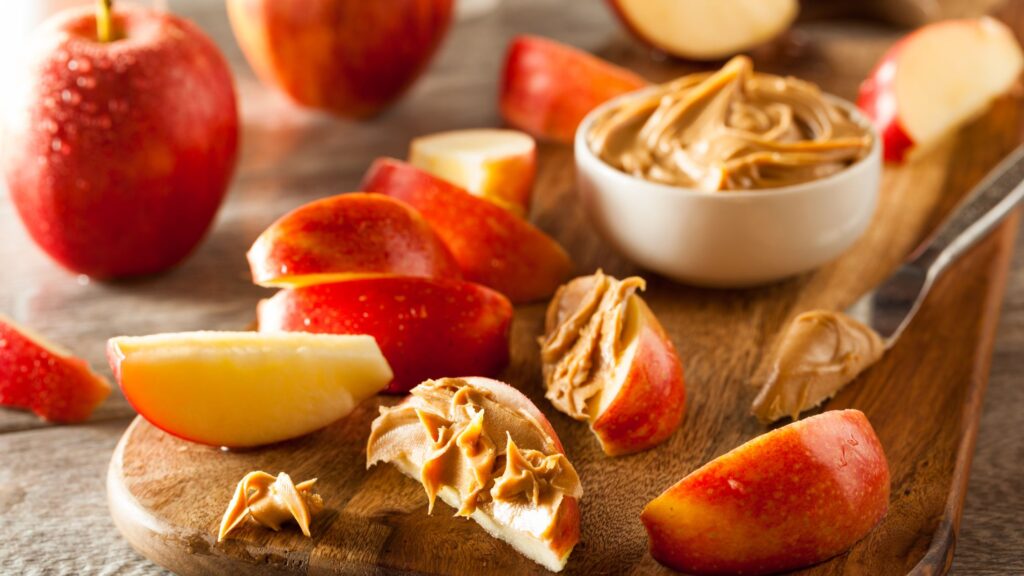
- The Classic Crunch: Apple slices with almond butter.
- An apple is great. But let’s be honest, you might be hungry again in an hour. You add a tablespoon of almond butter, and you transform it. The apple’s fiber plus the butter’s protein and healthy fat create a complete, satisfying snack.
- The Savory Star: Plain Greek yogurt with “everything bagel” spice.
- Tired of sweet, sugary yogurts? Try this. You get a massive protein boost from the yogurt. You add a sprinkle of that savory, seedy spice, and suddenly you have a delicious dip for cucumber slices or bell pepper strips.
- The Protein Powerhouse: Hard-boiled eggs.
- Seriously, don’t overthink this. Nature already packaged one of the most perfect nutrient dense snacks. You can boil a batch on Sunday, and they are ready to grab all week. They are pure, high-quality protein and healthy fats.
- The “Trail Mix” Reimagined: A small, portioned handful of walnuts, almonds, and pumpkin seeds.
- The keyword here is “handful.” Nuts are incredible nutrient dense snacks, but they are also calorie-dense. You can easily overdo it. The solution? You can portion them out into small containers ahead of time. This mix provides a fantastic blend of omega-3s, protein, and magnesium.
- The Quick Fix: A quality protein bar.
- This one is a minefield, so you must read the label. Many companies disguise candy bars as health food. A true nutrient-dense bar has simple, recognizable ingredients (like dates, nuts, egg whites) and minimal added sugar.
The “Snack Traps” to Avoid
Just as important as knowing what to eat is knowing what not to eat. Many foods masquerade as healthy options but are just empty calories in disguise.
- Those “100-Calorie Packs”: They scream “diet” but offer almost zero nutrition. They are just tiny portions of refined crackers or cookies. They’re designed to be unsatisfying, so you just end up eating three.
- “Fat-Free” Everything: This is a huge red flag. When companies take the fat out of a product (like yogurt or a salad dressing), they must add something else to make it taste good. That “something” is almost always sugar, salt, and artificial thickeners.
- Store-Bought Smoothies and Juices: A big trap. Most pre-bottled fruit smoothies are just sugar bombs. They strip away all the fiber, leaving you with a drink that will spike your blood sugar immediately. A real nutrient dense snack should have its fiber intact.
- Rice Cakes: By themselves, they are mostly just air and refined carbohydrates. They offer no protein, no fat, and no fiber. They are the definition of an empty snack, which is the opposite of nutrient dense snacks.
This is why focusing on whole-food nutrient dense snacks is always the winning strategy.
Your New Snacking Philosophy
Snacking isn’t a “cheat.” It’s not a weakness. It’s a bridge.
A snack’s job is to get you from one main meal to the next, keeping your energy high, your mind clear, and your mood stable. Your body deserves better than a temporary fix from a plastic wrapper.
So, the next time you feel that mid-day hunger, you’ll be ready. You can skip the crash and choose to refuel instead. The first step is simple: just swap one of your usual go-to’s for one of these nutrient dense snacks. You might be surprised at how good you feel. Making this shift to nutrient dense snacks is a powerful, simple way to take back control of your day.
For more tips on building a healthier, more energetic lifestyle, check out all the great resources at Zero Theories
Disclaimer: The information provided in this article is for informational purposes only and is not intended as a substitute for professional medical advice, diagnosis, or treatment. Always seek the advice of your physician or other qualified health provider with any questions you may have regarding a medical condition or dietary changes.