

The Ancient Beauty Secret Sitting Right in Your Kitchen: A Real-Talk Guide to Ricewater in Skincare
Okay, let’s get real for a second. Look at your bathroom counter right now. How many half-empty, expensive bottles and tubes are sitting there? We all want that elusive, glowing “glass skin,” and we often spend a small fortune chasing it. But what if the actual secret isn’t sitting under the harsh fluorescent lights of a beauty aisle? What if it’s hiding right inside your pantry.
For centuries, women across Asia—specifically in Japan, China, and Southeast Asia—didn’t rely on complicated twelve-step routines with unpronounceable ingredients. They used something incredibly simple: cloudy rice water. We are talking about the surprisingly powerful benefits of ricewater in skincare. This isn’t just some old wives’ tale passed down through generations. Modern science is finally catching up to why this humble, nearly free ingredient works so effectively. Get ready to ditch the complicated chemical cocktails and embrace a simpler approach. Let’s dive deep into why you need this in your life.
What Exactly Is Rice Water Anyway?
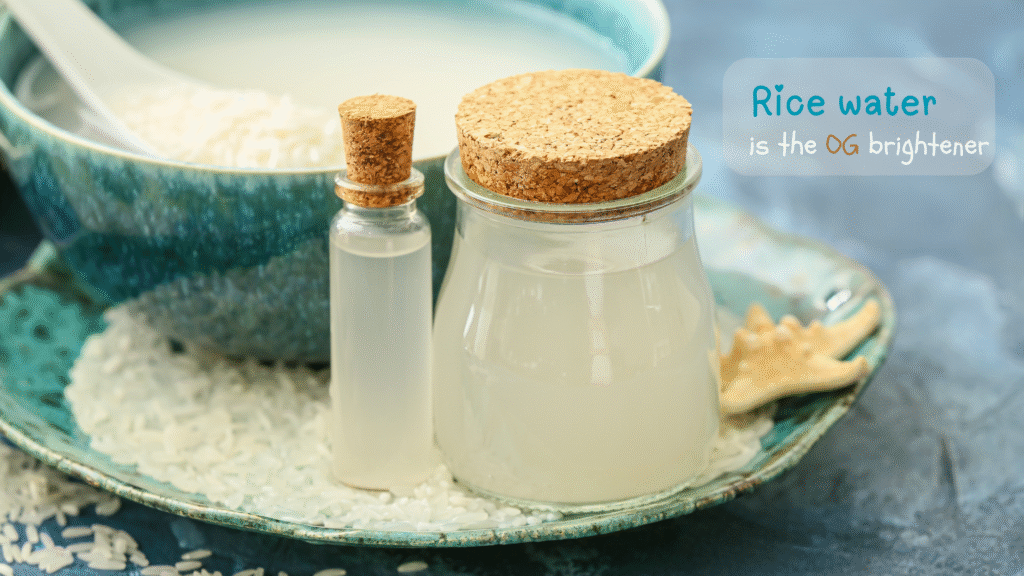
You might be asking, “Wait, you mean the stuff I usually dump down the sink before cooking?” Yes, exactly that. It sounds almost too simple to be a real beauty product, right? Basically, it is just the starchy, milky water left over after you soak or boil rice. That cloudy look? It means the water is packed with nutrients that your skin is desperately craving.
Generally, people use two main types of ricewater in skincare routines:
- The Quick Soak (Plain): You just let rice sit in water for a short time. It’s fast, gentle, and easy for beginners.
- The Fermented Stuff: This version takes longer. You let it sit until it turns slightly sour. Because fermentation allows beneficial bacteria to grow, this type becomes much more potent. Many enthusiasts prefer it for the higher antioxidant levels, but be careful—it can be intense for sensitive skin.

Why It Works: The Science Part (Skipping the Boring Stuff)
So, why does splashing starchy water on your face actually make a difference? It turns out the rice grain holds onto some serious vitamins and minerals that love your skin.
Here is the kicker regarding the science:
- Inositol: Think of this as a repair crew for your cells. It is often classified as part of the B-vitamin complex and actively helps fix damage while promoting better blood flow to the skin.
- Ferulic Acid: Rice water packs a serious punch with this powerful antioxidant. It fights off free radicals—those nasty things that cause premature aging.
- Allantoin: If your skin gets red or angry with acne patches, this compound helps calm everything down.
By regularly using ricewater in skincare, you aren’t just cleaning your face; you’re slowing down fine lines and brightening your whole vibe.
How to Make Your Own Potion
You seriously don’t need a chemistry degree to create this beauty elixir. In fact, the process is ridiculously straightforward. Here is the simplest “soaking method” so you can try it tonight.
- First, grab about half a cup of uncooked rice. White rice, jasmine—whatever you have works fine.
- Next, give it a quick rinse under the tap to remove dust. Don’t over-rinse it, though; you want to keep that starch!
- Then, throw the clean rice in a bowl and dump in two to three cups of fresh water.
- Now, walk away. Let the rice soak for about 30 minutes to an hour.
- Before you strain it, get your hands in there. gently swirl and knead the rice with your fingers. This pressing action helps release more vitamins, making the water extra cloudy.
- Finally, strain that milky magic into a clean jar or spray bottle.
Boom. You have a fresh batch ready for integrating ricewater in skincare into your routine.
How to Use It Daily
Okay, you have a jar of this miracle water in your fridge. Now what? The versatility of this ingredient might surprise you.
- The Facial Toner: This is the easiest method. After washing your face, grab a cotton pad and soak it in the rice water. Gently swipe it over your face and neck. It feels instantly tightening and refreshing. Don’t rinse it off! Let your skin drink up the nutrients before applying moisturizer.
- The Cooling Mist: Pour some into a spray bottle. Keep it chilled and spritz your face whenever it feels hot or parched during the day.
- The Full Body Rinse: Some people even add a large batch to their bathwater to soothe skin all over.
- Bonus Hair Treatment: While we are focusing heavily on ricewater in skincare, don’t forget your hair. Many people use it as a final rinse in the shower to add crazy shine.
Important Real-Talk Tips
While rice water is generally super safe, let’s be smart about it. “Natural” doesn’t always mean perfect for everyone’s skin.
- Do a Patch Test: Especially if you try the fermented version, test a tiny bit on your inner arm first. Wait a day just to make sure your skin doesn’t get mad.
- Keep It Chilled: Remember that homemade rice water doesn’t contain preservatives. It must live in the refrigerator. It usually stays fresh for about five to seven days.
- When in Doubt, Toss It: If it starts smelling funky (beyond a pleasant sourness if fermented), dump it and make a new batch. Don’t risk it.
- Be Patient: Consistency is everything when using ricewater in skincare. You won’t wake up transformed tomorrow. Give it a few weeks of regular use to really see the brightening happen.
Conclusion
The beauty industry loves hyping the “next big thing.” It is easy to get overwhelmed by choices and high prices. Sometimes, though, the most effective solutions are the simplest ones that have been around for ages. Rice water offers a sustainable, practically free alternative to pricey toners that actually works to brighten and soothe.
By incorporating ricewater in skincare, you are tapping into centuries of authentic beauty wisdom. Give this method an honest shot for a month. Take photos. You might just find your skin looks clearer than it has in years. Go raid your kitchen and unlock that glow. For more deep dives into natural beauty tips and wellness advice, keep visiting Zero Theories.
Disclaimer: The information provided in this article is for educational purposes only and is not intended as medical advice. Always consult with a dermatologist before starting any new skincare treatment, especially if you have pre-existing skin conditions.