Shin Splints Strength Training: The Definitive Guide to a Pain-Free Run
You know the feeling. That sharp, throbbing ache that creeps up your shinbone mid-run, turning every step into a wince. It’s the dreaded shin splint, the unwelcome guest that crashes your fitness party and refuses to leave. For too long, the only advice has been to rest, ice, and wait it out. But let’s be honest, who has time for that? What if you could do more than just wait? What if you could actively fight back and build a body that’s resilient to them? You can, and the secret weapon is shin splints strength training.
Forgetting about the muscles in your lower legs is a direct path to pain. When they’re weak, your shinbone takes all the punishment, leading to that nagging inflammation. This is precisely why a targeted shin splints strength training program isn’t just a recommendation; it’s the most powerful tool you have. Think of it as building armor for your shins. Ready to forge some?
So, Why Does This Whole Strength Thing Actually Work?
Let’s get right to it. Shin splints (doctors call it medial tibial stress syndrome) are basically a repetitive stress injury. It happens when you ask your lower leg muscles to do more than they’re ready for—maybe you ramped up your mileage too fast or switched to a harder running surface. The muscles, especially the one running down the front of your shin (the tibialis anterior), get overwhelmed. Overwhelmed muscles can’t absorb impact properly, so all that shock gets sent directly into the bone. Ouch.
This is where shin splints strength training flips the script. When you strengthen the muscles in your calves, shins, and even your feet, you improve their shock-absorbing capacity. It’s like upgrading the suspension on your car. A solid shin splints strength training routine ensures that the muscles do their job, so the bone doesn’t have to. Stronger muscles lead to smoother movements and better form, which means less stress, less pain, and a much lower chance of this problem ever coming back to haunt you. It’s a true game-changer.

The Must-Do Exercises for Your Shin Splints Strength Training Arsenal
Alright, time to get to work. The beautiful thing about real shin splints strength training is that you don’t need a ton of fancy equipment. Your bodyweight and a bit of floor space are plenty to start with. Let’s build that armor.
1. Seated Calf Raises
Your calves are the unsung heroes of your lower legs. When they are strong and conditioned, they soak up a massive amount of impact.
- How to do it: Sit down on a bench or chair, feet flat on the floor. For a little extra challenge, rest a weight like a dumbbell or a couple of heavy books on your knees. Now, slowly press up onto the balls of your feet, lifting your heels as high as they’ll go. Squeeze at the top for a second, then lower back down with control.
- Why it’s a winner: This move hammers the two main calf muscles responsible for absorbing force every time your foot hits the ground. Any good shin splints strength training plan has to start with strong calves.
2. Wall Tibialis Raises (The Shin Splint Slayer)
This exercise is the absolute cornerstone of shin splints strength training. It directly targets that muscle on the front of your shin.
- How to do it: Lean your back against a wall, and walk your feet out about a foot or so. Keeping your legs mostly straight, pull your toes and the front of your feet up toward your shins, so only your heels are on the ground. You should feel a nice burn in the front of your shins. Hold for a beat, then slowly lower your feet.
- Why it’s a winner: This muscle controls how your foot lowers to the ground after your heel strikes. A stronger one means a softer landing, every single time. It’s that simple.
3. Heel Walks
Let’s put that shin muscle to work with some movement. Heel walks are a fantastic addition to your shin splints strength training routine because they build endurance.
- How to do it: It’s as easy as it sounds. Find a bit of open space and just walk around on your heels for 30 seconds. Keep your toes pulled up high toward the ceiling. Yes, you’ll look a little silly, but the burn in your shins means it’s working!
- Why it’s a winner: It teaches that shin muscle to stay firing and engaged, which is crucial for staying pain-free during a long walk or run.
4. Clamshells (Yes, Your Hips Matter!)
I know what you’re thinking. “My shins hurt, why am I doing a hip exercise?” Here’s the thing: your body is one connected chain. Weakness in your hips can cause your knees to collapse inward and your feet to roll, which puts a ton of rotational stress right on your lower legs.
- How to do it: Lie on your side, knees bent together at about a 45-degree angle. Keeping your feet touching, lift your top knee up and back, like a clam opening its shell. The key is to not rock your hips back; all the movement should come from your glute. Lower it slowly. For more fire, loop a resistance band around your thighs.
- Why it’s a winner: Strong hips create a stable foundation for your entire leg. A truly effective shin splints strength training program addresses the cause, not just the symptom, and a lot of the time, the cause starts up in the hips.
Your Weekly Battle Plan
So how do you actually use this? Consistency is everything. A powerful shin splints strength training plan isn’t about destroying yourself in one session.
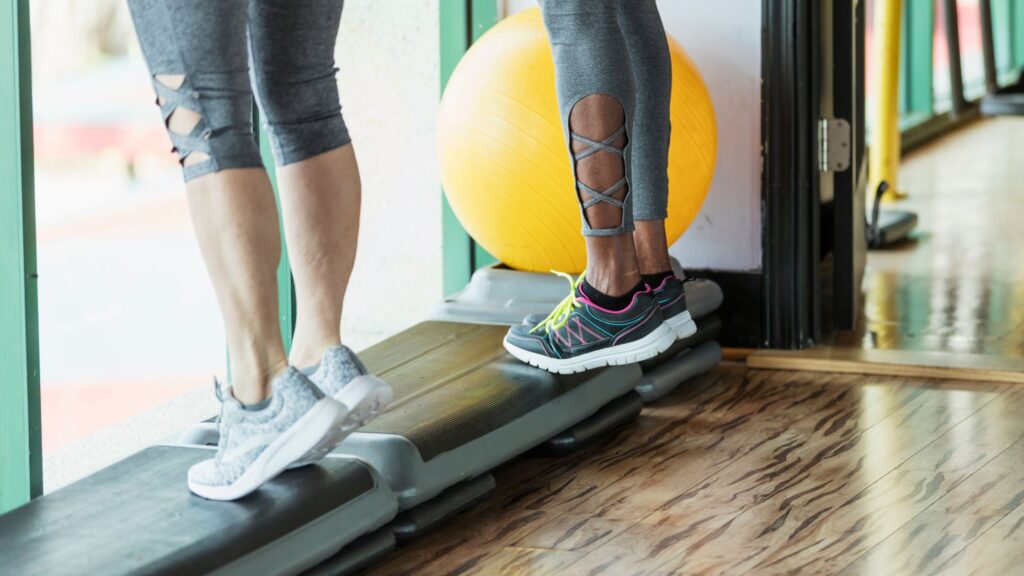
Try to do these exercises 3-4 times a week. Start with 2 sets of about 15-20 reps. Once that feels easy, you can add another set or increase the reps. Just listen to your body—this is about getting stronger, not pushing through sharp pain. Remember, this kind of focused shin splints strength training is your ticket out of the endless cycle of pain and rest. Don’t forget to pair this with gentle calf stretching, too. The combination of strength and flexibility is your key to success. This complete approach to shin splints strength training will help you finally win the war.
For more helpful guides on building a stronger, more resilient body, check out Zero Theories.
Disclaimer: This article is for informational purposes only and should not be taken as medical advice. Always consult with a doctor or qualified physical therapist about your specific condition before starting any new exercise program.