The 21 Day Fitness Challenge: Your Authentic Guide to a Reset, Not a Race
We’ve all seen the posts, the bold graphics, the promises of a “new you” in three weeks. The 21 day fitness challenge is a digital staple. But what’s the real story? Does it actually work, or is it another trend that leaves you defeated by day five?
Let’s be clear: many people start a 21 day fitness challenge expecting a total, dramatic transformation. That’s not the real goal.
This isn’t a generic “go-get-’em” piece. We’re pulling back the curtain. We will show you how to use this 21 day fitness challenge as a powerful catalyst for lasting change, not a temporary quick fix. It’s time to forget the “all or nothing” mindset and find a “something is better than nothing” groove.
Why 21 Days? The Power of a Starting Block
What’s magic about 21 days? You’ve heard the myth that it takes 21 days to form a habit. While science says it’s longer, that doesn’t matter.
This timeframe isn’t about perfection; it’s about building momentum.
Three weeks is the perfect psychological sweet spot. It’s short enough to feel manageable, not a scary “forever” commitment. Yet, it’s long enough to see real results. Not just on the scale, but in your energy. In your mood. In the way you sleep.
A well-structured 21 day fitness challenge acts as a focused reset. You’re experimenting. You’re learning what workouts you genuinely enjoy and what healthy foods make you feel strong. It’s a jumpstart.
Before Day 1: The Prep Work Everyone Skips
Here’s where most people go wrong. They wake up, declare “This is Day 1!” and have zero plan. By 4:00 PM, they’re tired and grabbing whatever’s easiest. A successful 21 day fitness challenge starts before the first workout.
- Define Your “Why.” And “I want to lose weight” isn’t a “why.” It’s a result. Why do you want it? To have more energy for your kids? To feel more confident? Get specific. Write it down. This is what you’ll read when you feel like quitting.
- Set Realistic Goals. You will not look like a superhero in 21 days. Sorry. But you can aim to feel more energetic. You can aim for your clothes to fit better. You can aim to cook five healthy meals a week. Focus on these “non-scale victories.”
- Prepare Your Environment. Make success the path of least resistance. Clean out the pantry. Lay out your workout clothes the night before. If you have to dig for your running shoes at 6:00 AM, you’re not going.
The Three Pillars of Your 21 Day Fitness Challenge
Don’t overcomplicate it. Your challenge needs to stand on three strong pillars.
Pillar 1: Movement (Consistency Over Intensity)
Your 21 day fitness challenge does not mean you suddenly need to train for a marathon. Going too hard, too fast is a one-way ticket to injury and burnout.
The goal for these 21 days is consistency. That’s it.
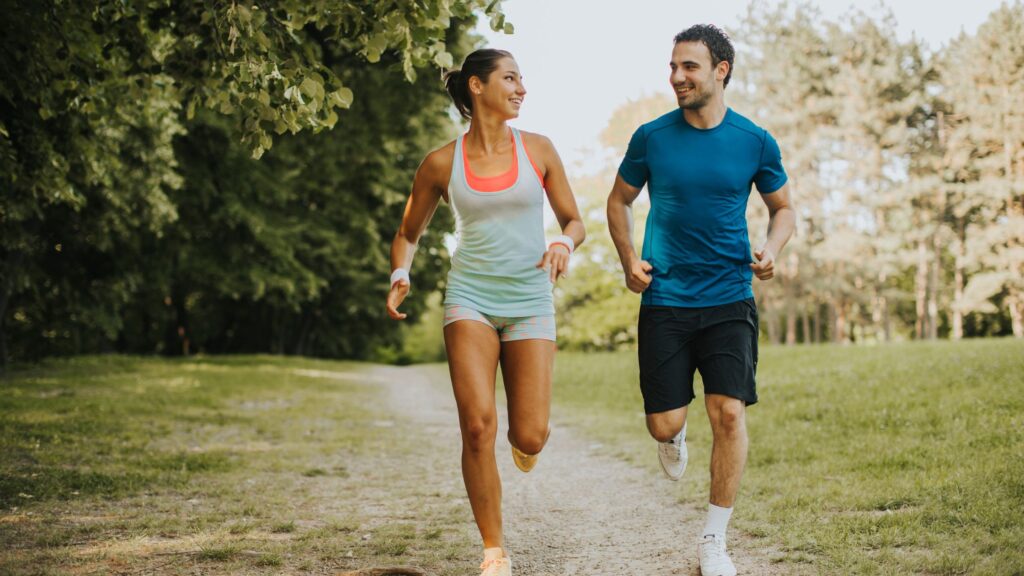
Aim for 30 minutes of intentional movement each day. What does “intentional” mean?
- A brisk walk in your neighborhood.
- A 30-minute yoga flow on YouTube.
- A bodyweight circuit in your living room (squats, push-ups, lunges).
- Dancing wildly to your favorite playlist.
It doesn’t matter what you do, as long as you do something. Maybe your 21 day fitness challenge is just a daily 20-minute walk. Fantastic. Do that every single day. The intensity can come later, once the habit is locked in.
Pillar 2: Nutrition (Fuel, Not Punishment)
This is the scary part for many. But a 21 day fitness challenge shouldn’t be about restriction or starvation. That just creates a cycle of binging and guilt.
Instead, think about adding good things.
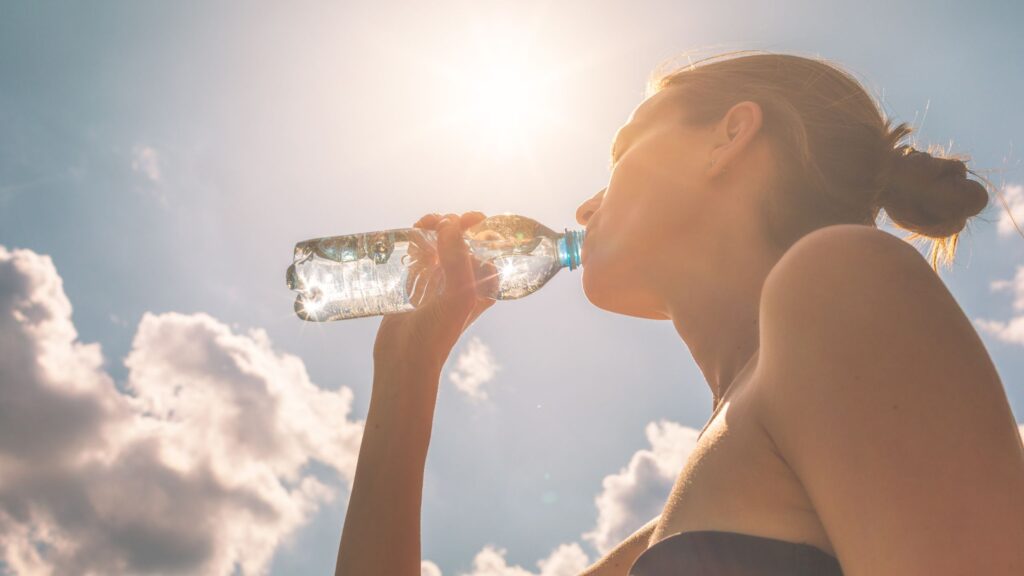
- Hydrate, Hydrate, Hydrate. Seriously. Get a big water bottle and keep it on your desk. Many times, you think you’re hungry, but you’re just thirsty.
- Eat Real Food. Focus on foods that don’t come in a crinkly bag. Think fruits, vegetables, lean proteins, and healthy fats. You don’t need a complex meal plan.
- Cook One More Meal. You don’t have to become a gourmet chef. Just try to cook one more meal at home than you normally would. It puts you in control.
Pillar 3: Rest (The Forgotten Hero)
This is the pillar everyone knocks over. We’re a culture obsessed with “the grind.” But your muscles don’t get stronger during the workout. They get stronger after, when you rest.
A smart 21 day fitness challenge respects rest.
- Sleep is a Non-Negotiable. You must prioritize sleep. Aim for 7-8 hours. It regulates your hunger hormones, repairs your body, and clears your mind.
- Active Recovery is Your Friend. Your 30 minutes of movement doesn’t have to be a sweat-fest. A light walk or some gentle stretching absolutely counts. Listen to your body.
You Hit “The Wall.” Now What?
It will happen. Probably around Day 8. Or maybe Day 15. Your motivation will vanish. You’ll be sore. You’ll be busy. The initial excitement is gone.
Welcome to “the wall.”
This is where the 21 day fitness challenge truly begins. This is the moment that defines your success. Not the workout, but the choice. The choice to put on your shoes anyway.
This is where your “why” comes in. Remind yourself: “I am doing this to feel stronger.” You don’t have to be perfect. You just have to be persistent.
Day 22: The Real Beginning
So, you did it. You finished the 21 day fitness challenge. Congratulations!
Now what? Do you go back to your old ways?
No. The real goal of the 21 day fitness challenge is to create a lifestyle, not just complete a task. You’ve just spent three weeks learning about your body. You learned you can make time for a workout. You learned that you actually like roasted broccoli. You learned you feel amazing when you get enough sleep.
Day 22 is your graduation. You now take the parts that worked and build them into your normal life. The challenge is over. The lifestyle has just begun.
This 21 day fitness challenge is a tool. It’s a magnifying glass you hold up to your life. It shows you what’s possible. Are you ready to try? You just need a “why” and a willingness to start.
For more tips on building healthy habits, check out our resources at Zero Theories.
Disclaimer: Please consult with your physician or other qualified healthcare professional before starting this or any other fitness program. This article is for informational purposes only and is not intended as medical advice.